



Choosing the Best Home Location for Your Family: Several Considerations
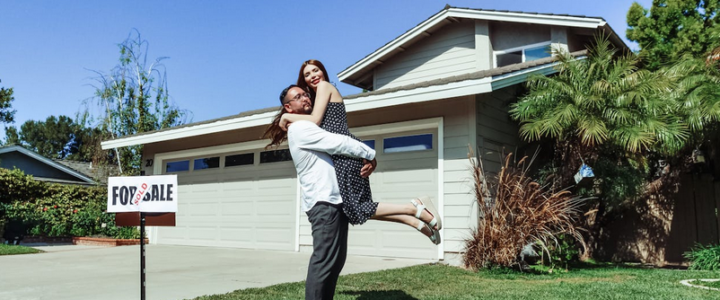
When it comes to choosing where to raise a family, it’s not just about the houses, parks, or schools. The culture of a community—the energy, traditions, and ways neighbors interact—plays a huge role in shaping a family’s daily life. Local values, community events, and even the food scene can influence how children grow up and how parents feel supported. Understanding these cultural vibes can make the difference between just living somewhere and truly feeling at home.
Community Spirit as More Than Just Friendly Faces
A strong sense of community can transform a neighborhood from a collection of houses into a supportive environment for families. In areas where neighbors know each other and look out for one another, children feel safer and more connected. Community events like street fairs, farmers’ markets, or volunteer activities encourage social bonds, giving parents and kids alike a sense of belonging. This collective spirit can make everyday life richer and more fulfilling.
Neighborhood Location Choices
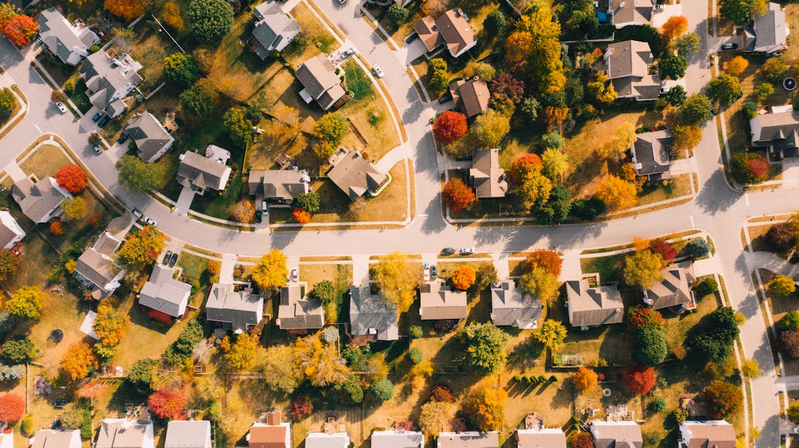
When deciding where to settle down, it’s essential to look beyond surface-level amenities. Many parents spend time considering factors in selecting family-friendly locations, such as the diversity of the community, the presence of supportive social networks, and whether the local values match their own. Observing interactions at local parks, schools, and community events can provide subtle clues about how welcoming a neighborhood will feel for your family’s lifestyle.
Local Education and Values
Schools are often the heartbeat of a community, reflecting its priorities and culture. Beyond test scores and extracurricular programs, the values promoted in local schools—whether they emphasize creativity, inclusivity, or civic responsibility—shape the way children learn about the world. Families often find that aligning their personal values with the educational culture in a community can make raising children smoother and more rewarding.
Cultural Offerings and Social Life
Art galleries, music festivals, local theaters, and culinary traditions all contribute to a community’s cultural identity. Families living in areas with rich cultural offerings can expose children to a wide variety of experiences, from art classes to local history exhibits. These activities help kids develop curiosity and broaden their perspectives, while parents benefit from a dynamic social scene that feels welcoming and engaging.
Safety and Accessibility

While culture is important, practical factors like safety and accessibility also influence daily life. Communities where streets are walkable, public transport is convenient, and recreational spaces are easily reachable encourage more outdoor family activities. Parents feel more at ease when children can explore their neighborhood safely, and kids naturally develop independence and confidence within a secure environment.
Local Economy and Opportunities
Economic vitality influences not only employment options but also the overall quality of life. Communities with thriving local businesses and supportive networks for entrepreneurs often provide more opportunities for families to engage and grow together. A strong local economy also typically supports better public services, from libraries to recreational programs, which enhance children’s development and family enjoyment.
Preserved Family Traditions in a Modern Context
Every family has its own traditions, but a community’s culture can either support or challenge those practices. Some neighborhoods prioritize intergenerational activities, communal celebrations, and cultural education, giving families ample ways to pass down traditions. Being part of a community that encourages these connections helps children develop a strong sense of identity and belonging.
Choosing a place to raise a family is about more than practical considerations—it’s about finding a community whose cultural vibe aligns with your family’s values, lifestyle, and aspirations. From schools and local traditions to social networks and public spaces, the cultural atmosphere shapes everyday experiences and long-term memories. By paying attention to how communities live, celebrate, and interact, families can find neighborhoods where both children and parents truly thrive.
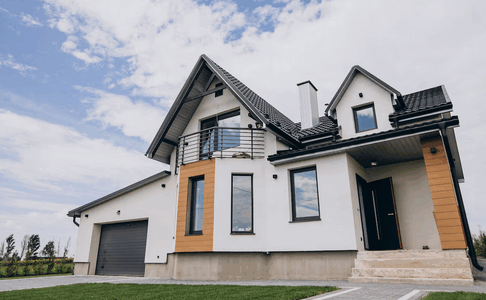
 Speed has always been a deciding factor in property development. Traditional houses can take months, sometimes years, to finish. Prefabricated homes turn that on its head by offering assembly in a matter of weeks. That means buyers can move in more quickly, and investors can see returns without waiting endlessly. A developer once joked that waiting for old-school builds felt like watching grass grow—painful and slow. With prefab, the pace picks up, and the entire transaction process benefits from that momentum.
 Gone are the days when prefab meant dull or boxy designs. Today, these homes come in styles that rival high-end architecture. Floor-to-ceiling windows, sleek lines, and open layouts attract buyers who value aesthetics just as much as function. Realtors often say, “first impressions sell,” and prefab homes now make an impressive entrance. Buyers who once dismissed them as cookie-cutter are finding themselves surprised by the variety. This shift in perception is reshaping how agents present options to clients.


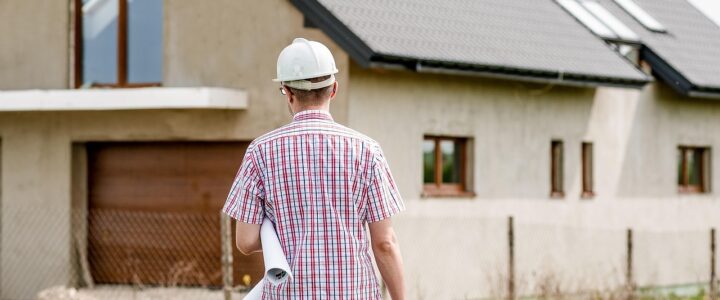














 Windows and doors are common points of entry for burglars. Strengthening these vulnerable areas is crucial for a comprehensive home security strategy. Reinforce doors with solid cores and install heavy-duty deadbolt locks.



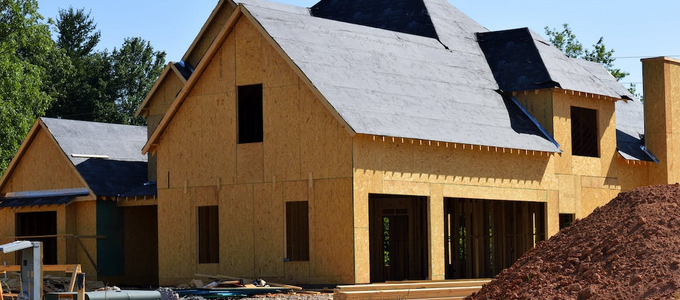
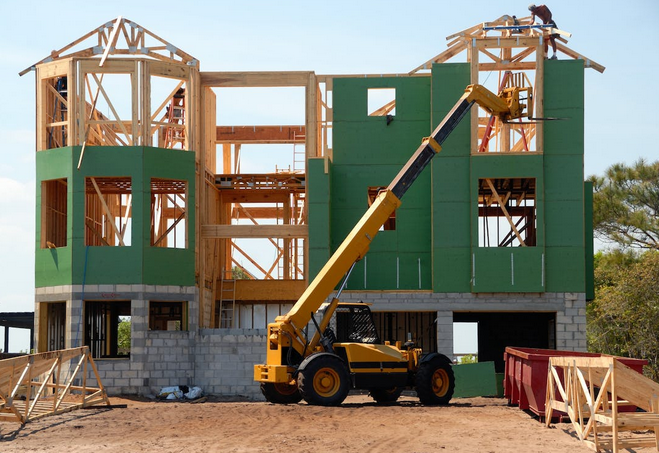
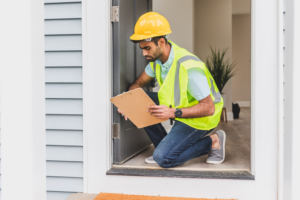 The final phase of the
 One of the most important things to consider when investing in real estate during inflation is your credit score. Your credit score is a number that lenders use to determine your riskiness as a borrower. The higher your credit score, the lower your interest rates will be. This is important because interest rates are often higher than usual during inflation. A good credit score will help you get the best interest rates possible, saving you a lot of money in the long run.
 Another tip for investing in real estate during inflation is considering a longer loan term. A longer loan term means you will have lower monthly payments, which can be helpful during times of high inflation. However, it’s important to remember that you will ultimately pay more interest over the life of the loan if you choose a longer loan term. Investing in real estate during inflation
 If you’re like most people, you have a lot of stuff that you only use once or twice a year. Seasonal decor, holiday decorations, and outdoor furniture are just a few examples.
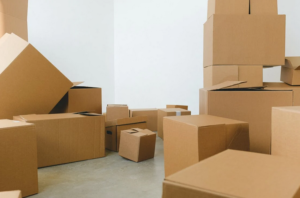 A self-storage unit can be a lifesaver if you plan a home renovation. It can provide a place to store your belongings while your home is renovated. This will protect your belongings from dust, debris, and damage.
 If you have old furniture that’s not in use, then a self-storage unit provides the best place to keep it. Whether you’re planning to sell, donate, or use it in the future, a self-storage unit will keep it safe and out of the way. Self-storage units are also a great place to store antique furniture and other valuable items.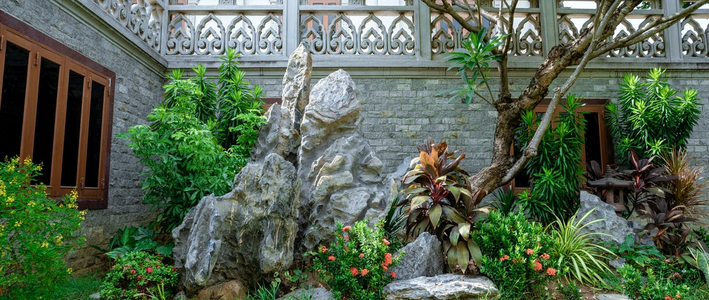
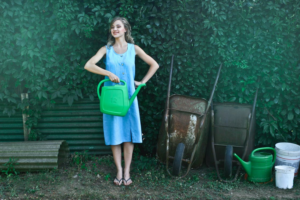 One of the first things you need to do when starting a small garden is deciding what vegetables you want to grow. Do you have a favorite vegetable that you love to eat? If so, this is a great place to start. You can also consider growing vegetables that are popular in your area. This way, you’ll be able to get the most out of your garden. Once you’ve decided what vegetables you want to grow, it’s time to start planning. But be sure to think about the size of your garden and how much space you have to work with.
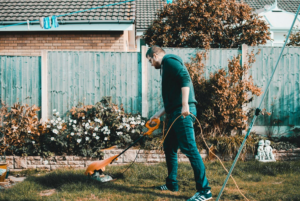 Last but not least, you also need to conduct preventive measures to keep pests at bay. Insects and animals can be a problem for any gardener, but controlling them in a small garden is essential. Otherwise, they can quickly take over your entire crop. There are several ways to keep pests under control, such as using traps and chemicals or hand-picking them off your plants. Do some research to find out what problems are common in your area and how to control them.
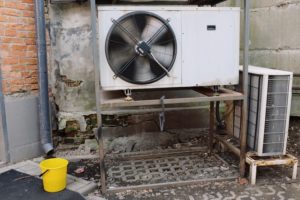 One of the best ways to improve the air quality in your home is to maintain your HVAC system. Make sure that you change the filter regularly and have the system inspected by a professional at least once a year. If you don’t maintain it, you can experience problems such as
  If the weather is nice, try to open windows and doors to allow fresh air into your home. This will help improve the air quality and enable you to get some fresh air. Be sure to close windows and doors when it starts to get cold outside to keep the warm air in your home. This is one of the simplest ways to improve your home’s air quality. This will not cause you anything at all. In fact, this is how many people who have allergies get their fresh air.
 Once you have determined what type of stain you are dealing with, it is time to apply a cleaning solution. If you are using a commercial cleaner, be sure to follow the instructions on the label. If you make your own cleaning solution, mix together equal parts of water and vinegar.
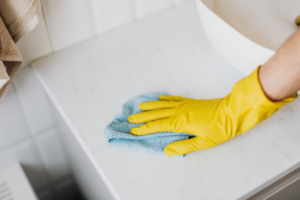 Once you have scrubbed the stain, it is important to remove any excess moisture. This will help to prevent water stains or mildew from forming. Use a clean towel to blot the area dry. You may also need to use a hairdryer on a low setting to speed up the drying process. This is very important to avoid any other damage to your furniture. There will be build-up if you don’t do this, and it will be hard to clean later on.