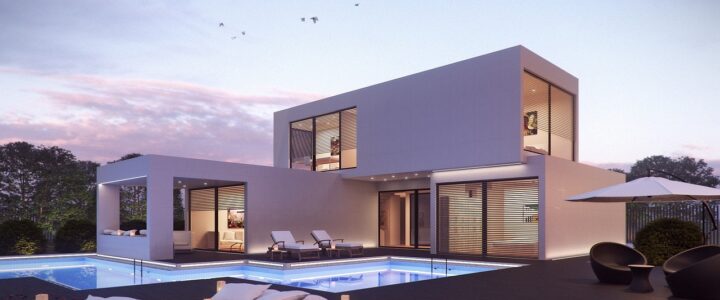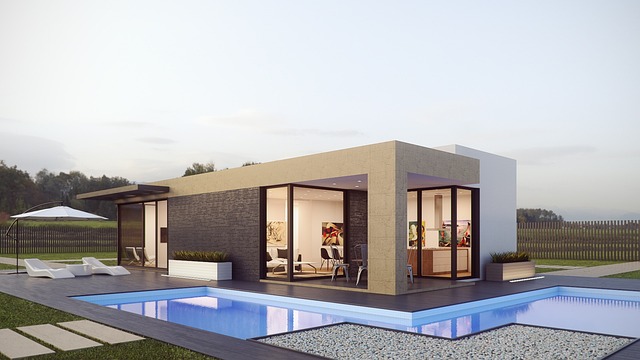
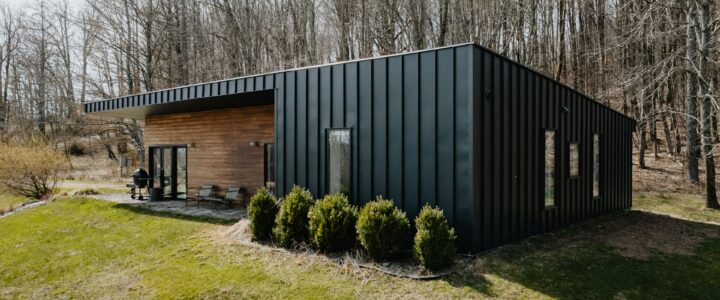
For many people, buying a home means balancing price, construction time, design preferences, and long-term practicality. Traditional building can take months, with unexpected delays adding pressure to an already major investment. Prefabricated houses offer a different approach by having key sections produced in a factory before being assembled on site. This method is attracting buyers who want a home that can be built with greater consistency and a clearer schedule. As housing costs remain a concern, the appeal goes beyond appearance or novelty. PROMIPOOL states that having a prefabricated house with a garage is a clever lifestyle statement. For some households, it may provide a practical middle ground between building from scratch and purchasing an existing property.
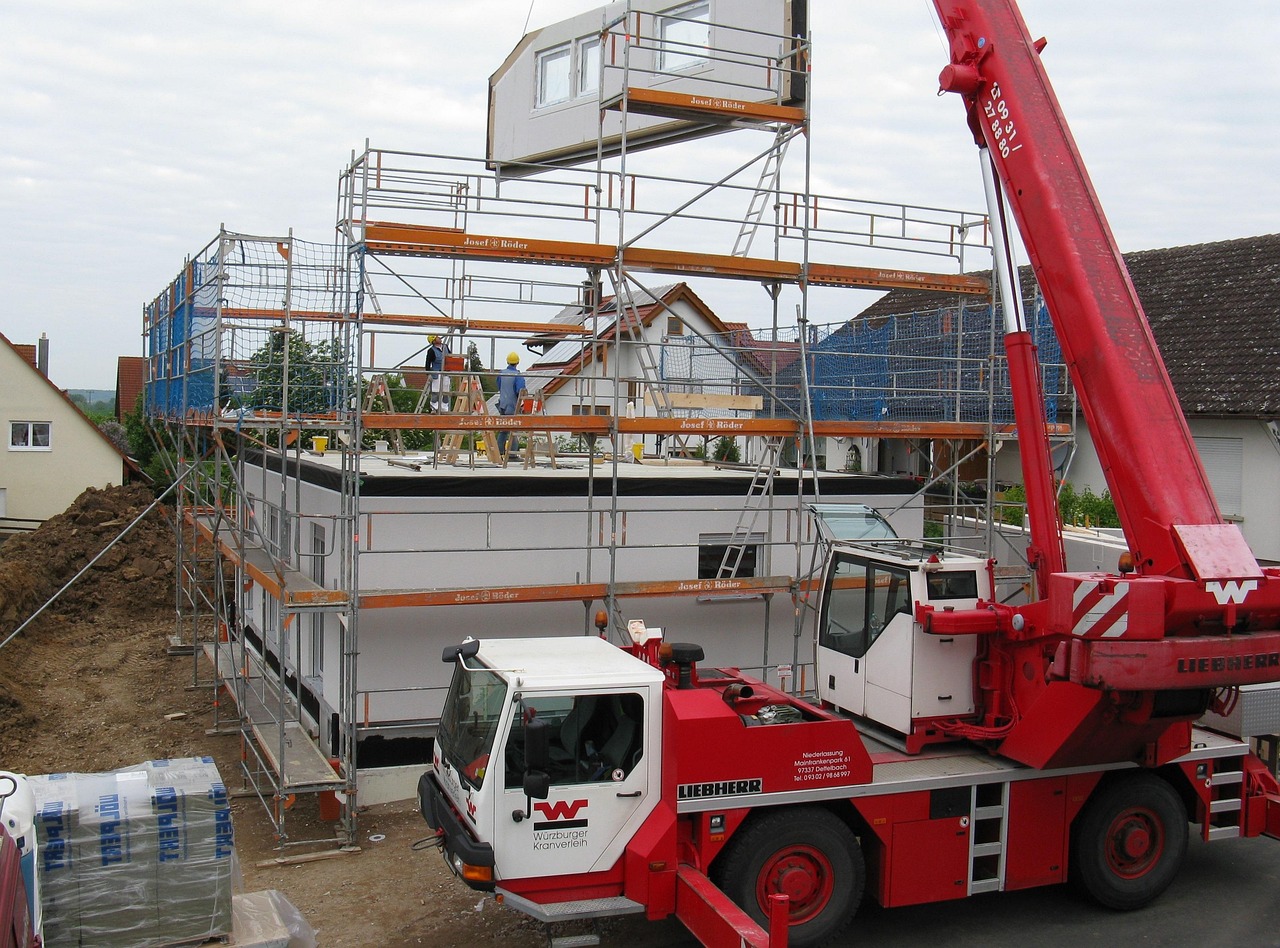
Faster Construction With Fewer Delays
For many buyers, building a home can feel like waiting for a puzzle to finish, after months of planning. Prefabricated houses change that pace by moving much of the construction work into a controlled factory setting. Walls, floors, and other sections can be prepared before they reach the property, saving time during assembly. This can shorten the amount of work carried out at the building site and reduce disruption for nearby residents. Factory production also reduces some delays caused by rain, poor site conditions, or limited labor. For buyers who want a clearer schedule, that predictability can feel like a welcome relief and can make planning easier for households with firm moving goals.
Better Control Over Building Costs
Price is another reason these homes are gaining attention from practical buyers who need to watch a housing budget. Factory production can make material use more organized and reduce some forms of construction waste. Buyers may also receive clearer pricing before major work begins, although land, permits, transport, and site preparation still affect the final bill. That distinction matters because a low starting price does not automatically mean a low total cost. Comparing the full project budget can reveal expenses that an attractive advertisement leaves in the small print. A careful buyer can therefore judge value by the whole package rather than one tempting number.
Modern Designs and Flexible Choices
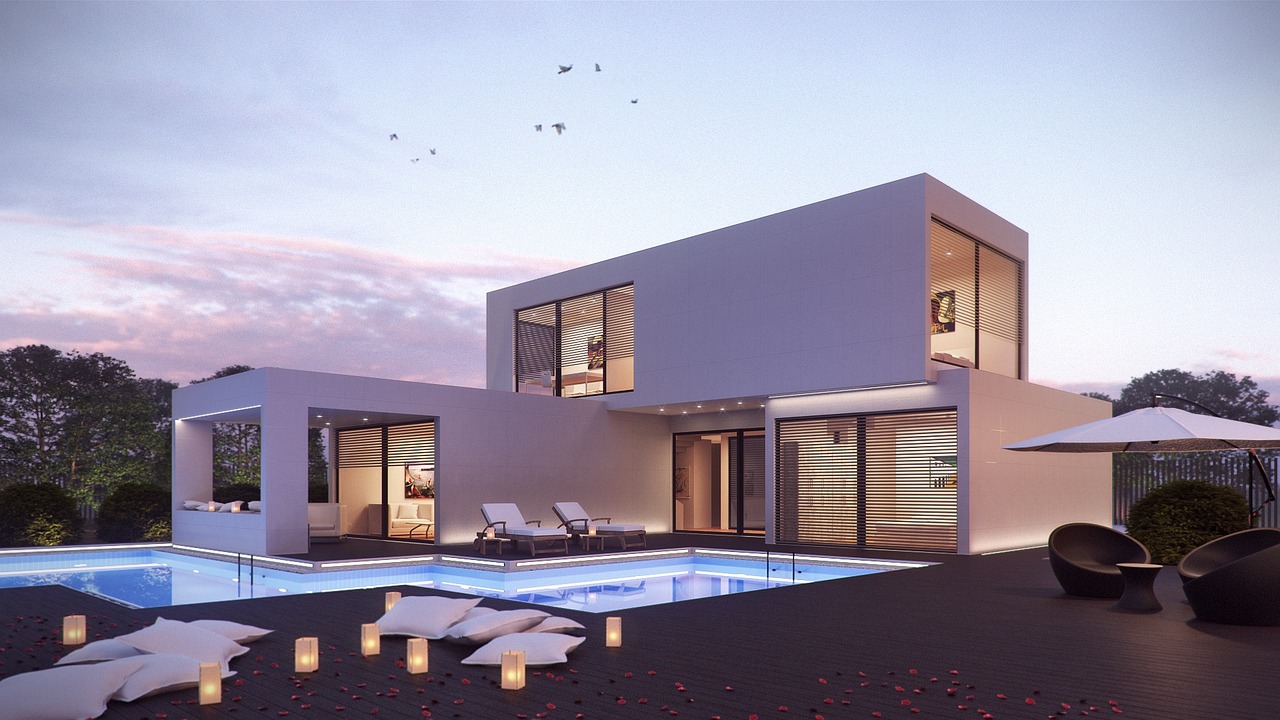
Some people still picture factory-made homes as plain boxes with little personality, but today’s options can challenge that old assumption. That image is becoming less accurate as manufacturers offer varied layouts, finishes, roof forms, and exterior styles. Buyers can often choose features that fit their routines, from open living areas to extra storage or energy-conscious windows. This flexibility can make the house feel connected to the people living inside it, rather than like a standard product dropped onto a lot. It also gives buyers room to prioritize what matters instead of paying for every possible feature they may never use. A family may want a larger kitchen, while another household may prefer a compact plan with lower upkeep and fewer rooms to maintain.
A Practical Choice for Changing Needs
Homebuyers are also thinking about how a property will serve them several years from now, not simply how it looks on moving day. A well-planned prefabricated house can provide efficient use of floor area without requiring an oversized footprint or excessive construction. This can appeal to first-time buyers, growing families, downsizers, and people who want simpler maintenance. Factory methods may also support consistent construction standards because many tasks follow repeatable processes under controlled conditions. Still, buyers should check the manufacturer’s reputation, warranties, building codes, and local requirements before signing an agreement. Doing that early can prevent an exciting purchase from turning into an expensive lesson that could have been avoided with research.
The rising interest in prefabricated houses reflects a practical shift in how people view home construction today. Buyers want sensible costs, shorter building periods, and choices that match everyday life without creating unnecessary financial strain. They also want fewer surprises after making a major financial commitment, which makes clear planning especially valuable. These homes cannot solve every building challenge, and their value depends on the site, supplier, and project details. Yet they can offer a useful alternative for people who want a more predictable path to homeownership without giving up comfort or personal preferences. As construction methods improve, prefabricated housing may become an increasingly familiar choice for future buyers who value efficiency, clarity, and practical design.