
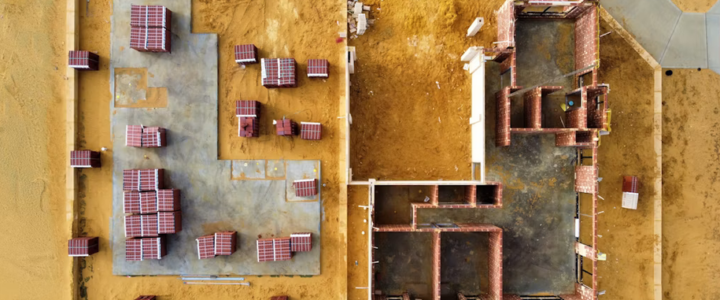
Every home depends on a strong structural system that safely supports its weight throughout its lifetime. As highlighted by DEAVITA, thoughtful structural planning is one of the most important factors in creating homes that remain safe, stable, and durable for years to come. While homeowners often notice flooring, roofing, windows, and interior finishes, much of a building’s strength comes from components that remain hidden behind walls and ceilings. Structural load distribution refers to the way weight moves through different parts of the house before reaching the foundation and the ground below. Roofs, walls, beams, columns, and foundations all work together to carry these loads safely. When this system is properly designed, the home remains stable under everyday use and changing weather conditions. Understanding why structural load distribution matters in residential construction helps explain why careful engineering remains essential for building safe and durable homes.
Supporting Overall Building Stability
Every part of a home contributes weight to the overall structure. Roofing materials, framing, flooring, furniture, appliances, and even occupants create loads that must be supported continuously. Structural load distribution allows these forces to travel safely through the building. Instead of concentrating weight in one location, the structural system spreads loads across multiple supporting components before transferring them into the foundation. This balanced movement prevents excessive stress on individual sections of the house. Proper stability allows the entire structure to function as one connected system rather than a collection of separate parts.
Carrying Everyday Living Loads
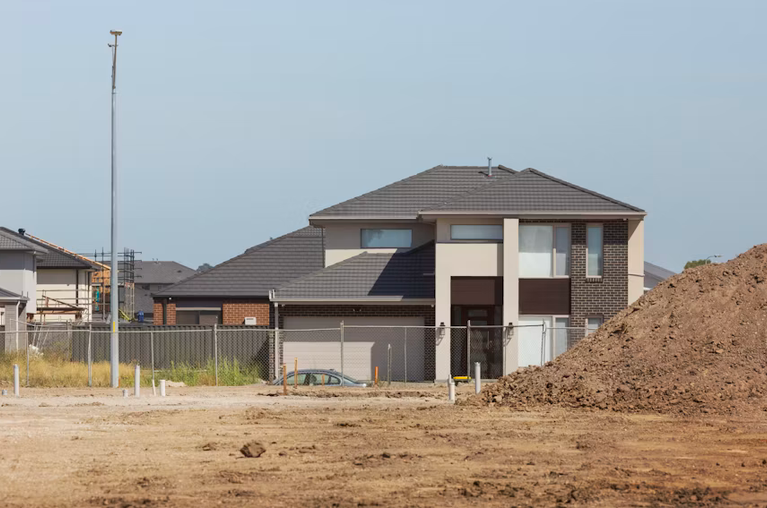
Homes experience constant loading during normal daily use. Family members move through different rooms, furniture is rearranged, and household equipment adds additional weight throughout the building. Although these activities seem ordinary, the structure must safely support them every day. Floors, beams, and supporting walls are designed to handle these routine loads without excessive movement or deflection. Proper load distribution allows occupants to enjoy comfortable living spaces while maintaining confidence that the structure performs safely under normal residential conditions. Consistent support contributes directly to long-term building reliability.
Managing Environmental Forces
Residential structures must withstand more than their own weight. Weather conditions also place additional forces on every home throughout the year. Rain, wind, temperature changes, and in some regions snow all create structural demands that engineers consider during design. Roof systems transfer these environmental loads through supporting walls and framing before reaching the foundation. Proper load distribution allows the building to respond safely to changing conditions without placing excessive stress on individual components. Balanced structural performance helps protect the home during both everyday weather and more demanding environmental events.
Protecting Foundations
The foundation supports the entire weight of the home. Its performance depends heavily on how structural loads arrive from the building above. When weight is distributed evenly, the foundation transfers those forces into the soil more consistently. Uneven loading may create excessive pressure in certain areas, increasing the risk of settlement or structural movement over time. Proper structural planning reduces these concerns by allowing the foundation to carry balanced loads across its full design area. A well-supported foundation contributes significantly to the long-term stability of the entire house.
Reducing Long-Term Structural Problems

Many structural issues develop gradually rather than appearing immediately after construction. Uneven load distribution may contribute to floor movement, wall cracks, sticking doors, or ceiling irregularities as years pass. Careful structural design reduces the likelihood of these problems by directing loads through properly engineered support systems. Beams, load-bearing walls, and framing members work together to maintain balanced structural performance throughout the building. Preventing excessive stress early in construction helps reduce future repair costs while improving homeowner confidence in the durability of the property.
Supporting Future Home Changes
Residential needs often change over time. Homeowners may renovate kitchens, finish basements, replace roofing materials, or modify interior layouts during the life of the house. Understanding structural load distribution becomes especially important when making these changes. Some walls support structural loads while others simply divide rooms. Removing or altering load-bearing components without proper engineering can affect the building’s stability. Well-designed structural systems provide a reliable framework that allows future improvements to be planned safely while maintaining the home’s structural integrity.
Structural load distribution matters in residential construction because it supports overall building stability, carries everyday living loads, manages environmental forces, protects foundations, reduces long-term structural problems, and supports future home changes. Every structural component works together to move weight safely from the roof to the ground below. Understanding why structural load distribution matters in residential construction demonstrates that successful homebuilding depends on much more than visible materials and attractive finishes. Careful structural planning creates a balanced system that protects both the building and its occupants throughout many years of use. By investing in proper engineering during construction, homeowners gain a stronger, safer, and more durable home that continues performing reliably well into the future.




















 Windows and doors are common points of entry for burglars. Strengthening these vulnerable areas is crucial for a comprehensive home security strategy. Reinforce doors with solid cores and install heavy-duty deadbolt locks.
 The final phase of the
 If you’re like most people, you have a lot of stuff that you only use once or twice a year. Seasonal decor, holiday decorations, and outdoor furniture are just a few examples.
 A self-storage unit can be a lifesaver if you plan a home renovation. It can provide a place to store your belongings while your home is renovated. This will protect your belongings from dust, debris, and damage.
 If you have old furniture that’s not in use, then a self-storage unit provides the best place to keep it. Whether you’re planning to sell, donate, or use it in the future, a self-storage unit will keep it safe and out of the way. Self-storage units are also a great place to store antique furniture and other valuable items.
 One of the first things you need to do when starting a small garden is deciding what vegetables you want to grow. Do you have a favorite vegetable that you love to eat? If so, this is a great place to start. You can also consider growing vegetables that are popular in your area. This way, you’ll be able to get the most out of your garden. Once you’ve decided what vegetables you want to grow, it’s time to start planning. But be sure to think about the size of your garden and how much space you have to work with.
 Last but not least, you also need to conduct preventive measures to keep pests at bay. Insects and animals can be a problem for any gardener, but controlling them in a small garden is essential. Otherwise, they can quickly take over your entire crop. There are several ways to keep pests under control, such as using traps and chemicals or hand-picking them off your plants. Do some research to find out what problems are common in your area and how to control them.
 Once you have determined what type of stain you are dealing with, it is time to apply a cleaning solution. If you are using a commercial cleaner, be sure to follow the instructions on the label. If you make your own cleaning solution, mix together equal parts of water and vinegar.
 Once you have scrubbed the stain, it is important to remove any excess moisture. This will help to prevent water stains or mildew from forming. Use a clean towel to blot the area dry. You may also need to use a hairdryer on a low setting to speed up the drying process. This is very important to avoid any other damage to your furniture. There will be build-up if you don’t do this, and it will be hard to clean later on.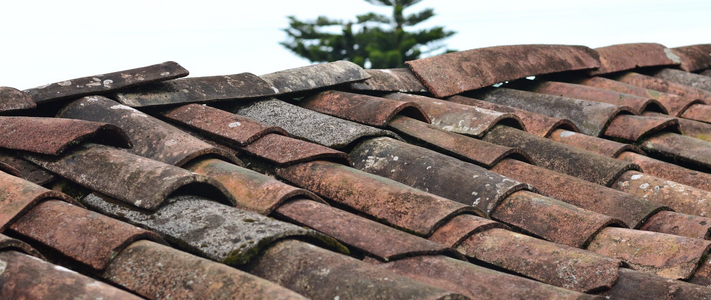
 If you notice that the shingles on your roof are curling or missing, it’s a sign that your roof needs repair. Curled shingles are more likely to leak, and missing shingles can damage water.
 If you leak into your attic, it’s essential to call in a professional roofing contractor right away. Leaks can cause severe damage to the structure of your home and should be repaired by an experienced contractor as soon as possible. If you’re not sure whether or not you have a leak, take a look at the ceiling for any signs of water damage. If you find evidence of a leak, it’s essential to call in a professional contractor right away.
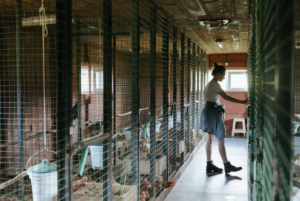 The first thing you need to do is measure the space where the chicken coop will be. It will help you determine how big a coop you need and what kind of materials you will need.
 Chicken coops need to have doors and windows so that your chickens can come in at night if they want. It is a good idea to put the door on the opposite side of the window, or you could add multiple small windows instead of one big window. The goal is to ensure your hens are safe inside their chicken coop!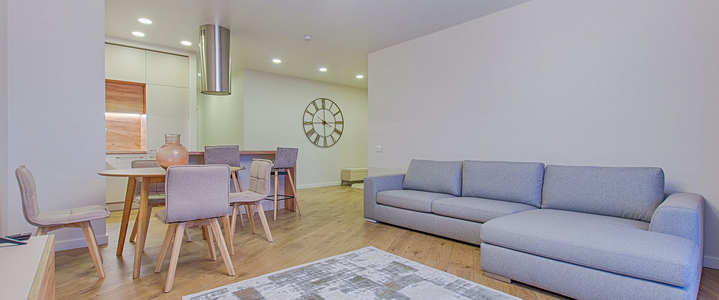
 2022 is the year of rising and getting back the lives we lost to the hustle and bustle of our modern lives. People are looking for spaces that allow them to focus on their breath and the present moment. It can be seen in the trend of “mindful spaces.” These rooms or areas feature muted colors, natural materials, and simple designs that help people relax and center themselves.
 Natural materials are all the rage in 2022. The use of stone, wood and other organic surfaces can be seen across home designs from kitchens to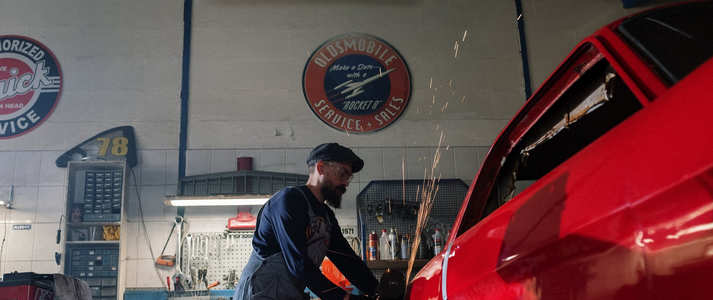
 It is best to work with a company that has been in business for years. They will have the experience necessary when it comes time to make repairs and do follow-up maintenance on your car. It means they won’t make any mistakes, which could be costly down the road if you don’t trust them enough to return regularly for routine services like oil changes and tire rotations.
 Start off by taking a look at your monthly income. How much money are you bringing in? What is the average amount of bills that you pay each month?
 In case of an emergency, you want to make sure that you have a cushion. This means having at least three – six months’ worth of income saved up in your savings account. If the time comes and you need money for something like medical expenses or car repairs. This will help keep things under control and that you will not use the money you have been saving up for the house.
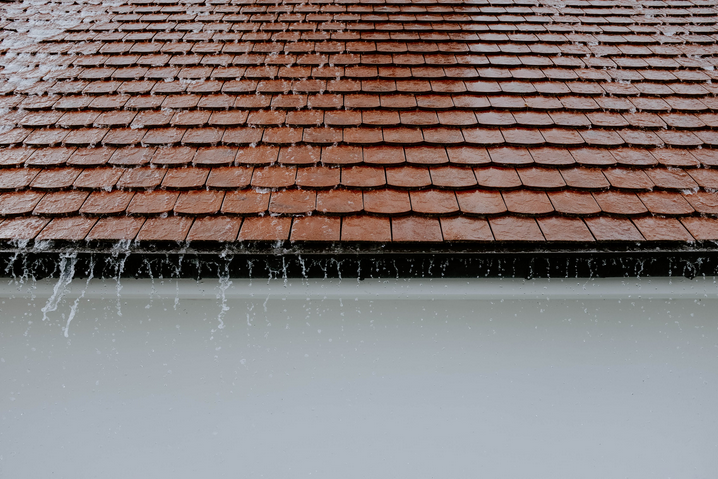
 As mentioned, roof maintenance can extend your roof’s life. But why is it? The answer is the commercial roofs can be expensive to replace. So, it is wise to maintain your roof regularly. If you do not have the budget for a commercial replacement, an insurance policy will also cover it, which beats the high prices of regular maintenance. In addition to this, regular commercial roof maintenance can identify potential issues on your rooftop before they become more severe threats, costing numerous amounts of money to deal with.