
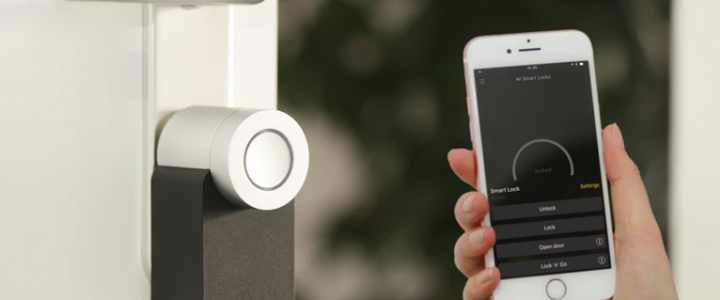
Smart homes are no longer a futuristic concept—they’re becoming the standard for modern living. From lighting that adjusts automatically to appliances that respond to voice commands, technology is transforming the way we interact with our homes. But upgrading to a smart home isn’t just about convenience; it’s about future-proofing your living space. Proper planning and smart installation ensure your home remains adaptable as technology evolves, saving time, money, and headaches down the line.
Prioritizing Flexible Wiring
One of the most overlooked aspects of future-proofing is flexible wiring. While wireless technology is convenient, wired connections often offer more reliability, speed, and security. Installing extra Ethernet outlets, USB ports, and dedicated circuits during renovations or new builds allows you to expand your smart ecosystem without tearing out walls later. Thinking ahead about connectivity ensures your smart home remains functional and responsive as new devices hit the market.
Installing Smart Lighting and Energy Efficiency
Lighting is one of the easiest areas to upgrade in a smart home, but a forward-thinking approach goes beyond simple dimmers or timers. Smart lighting systems that integrate with your home network allow for automated schedules, voice commands, and energy monitoring. Future-proof installations consider LED fixtures, compatible hubs, and programmable circuits to ensure you can add new bulbs, sensors, or integrations without major rewiring. This not only improves convenience but also boosts energy efficiency and reduces utility costs over time.
Choosing the Right Electrical Team
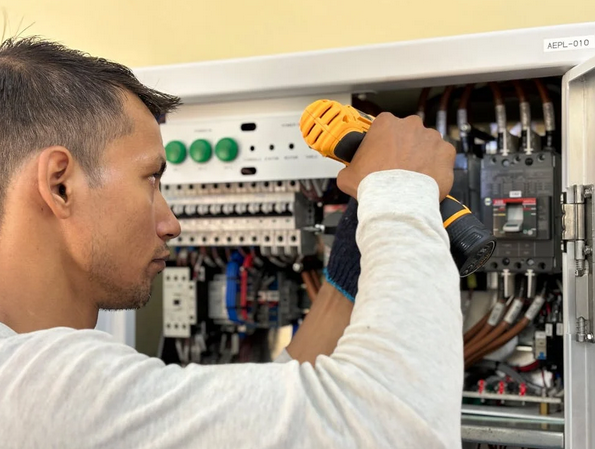
A smart home starts with a strong foundation, and that means working with professionals who understand both current and emerging technologies. Partnering with the best electrical services can make all the difference in ensuring your wiring, outlets, and network infrastructure are installed correctly. Experienced electricians anticipate future needs, like additional circuits for new devices or upgraded panels to handle higher loads. Investing in skilled professionals from the start sets your home up for seamless integration of smart devices for years to come.
Integrating Security and Safety
A truly smart home doesn’t just focus on convenience—it enhances safety. Modern security systems include smart locks, surveillance cameras, motion detectors, and even environmental sensors for smoke or water leaks. Installing these systems with future expansion in mind allows you to add devices or integrate with AI-powered monitoring tools later. By planning smart security upgrades during your initial installation, you avoid costly retrofits and ensure your home remains both safe and technologically current.
Controlling Voice and Automation Hubs
Centralized control is key to a smart home that can evolve. Installing a robust automation hub allows multiple devices to communicate seamlessly and can integrate voice assistants, climate controls, and entertainment systems. Planning your hub installation alongside your wiring and network ensures compatibility with future devices and protocols. This approach keeps your system scalable, making it easy to add new smart features without disrupting existing setups.
Future-proofing your home with smart installations isn’t just about having the latest gadgets—it’s about creating a flexible, reliable foundation that grows with technology. By choosing skilled electrical services, prioritizing flexible wiring, optimizing lighting, enhancing security, and planning automation hubs, you ensure your home remains comfortable, efficient, and connected for years to come. Smart investments now lead to a smarter, more adaptable living space tomorrow.