
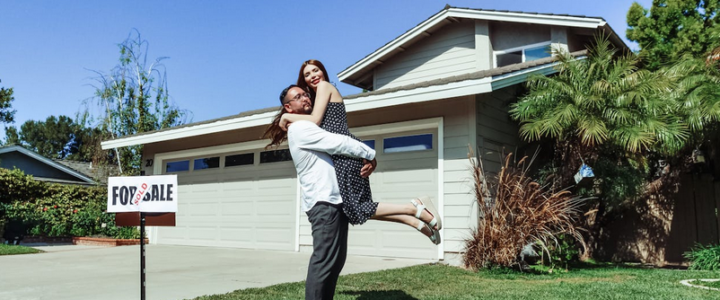
When it comes to choosing where to raise a family, it’s not just about the houses, parks, or schools. The culture of a community—the energy, traditions, and ways neighbors interact—plays a huge role in shaping a family’s daily life. Local values, community events, and even the food scene can influence how children grow up and how parents feel supported. Understanding these cultural vibes can make the difference between just living somewhere and truly feeling at home.
Community Spirit as More Than Just Friendly Faces
A strong sense of community can transform a neighborhood from a collection of houses into a supportive environment for families. In areas where neighbors know each other and look out for one another, children feel safer and more connected. Community events like street fairs, farmers’ markets, or volunteer activities encourage social bonds, giving parents and kids alike a sense of belonging. This collective spirit can make everyday life richer and more fulfilling.
Neighborhood Location Choices
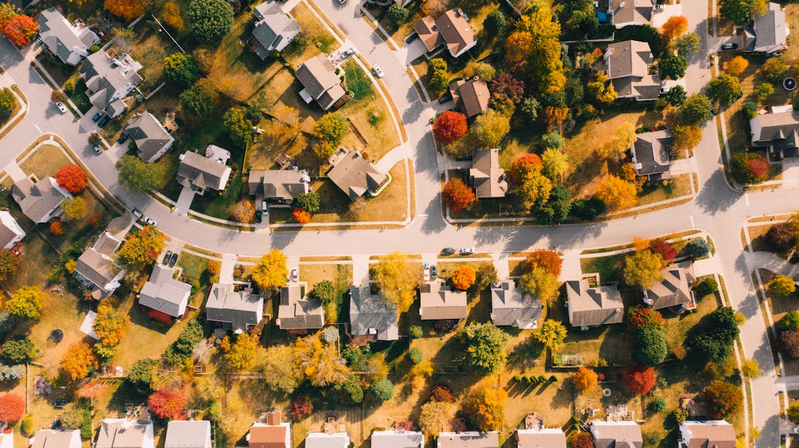
When deciding where to settle down, it’s essential to look beyond surface-level amenities. Many parents spend time considering factors in selecting family-friendly locations, such as the diversity of the community, the presence of supportive social networks, and whether the local values match their own. Observing interactions at local parks, schools, and community events can provide subtle clues about how welcoming a neighborhood will feel for your family’s lifestyle.
Local Education and Values
Schools are often the heartbeat of a community, reflecting its priorities and culture. Beyond test scores and extracurricular programs, the values promoted in local schools—whether they emphasize creativity, inclusivity, or civic responsibility—shape the way children learn about the world. Families often find that aligning their personal values with the educational culture in a community can make raising children smoother and more rewarding.
Cultural Offerings and Social Life
Art galleries, music festivals, local theaters, and culinary traditions all contribute to a community’s cultural identity. Families living in areas with rich cultural offerings can expose children to a wide variety of experiences, from art classes to local history exhibits. These activities help kids develop curiosity and broaden their perspectives, while parents benefit from a dynamic social scene that feels welcoming and engaging.
Safety and Accessibility
While culture is important, practical factors like safety and accessibility also influence daily life. Communities where streets are walkable, public transport is convenient, and recreational spaces are easily reachable encourage more outdoor family activities. Parents feel more at ease when children can explore their neighborhood safely, and kids naturally develop independence and confidence within a secure environment.
Local Economy and Opportunities
Economic vitality influences not only employment options but also the overall quality of life. Communities with thriving local businesses and supportive networks for entrepreneurs often provide more opportunities for families to engage and grow together. A strong local economy also typically supports better public services, from libraries to recreational programs, which enhance children’s development and family enjoyment.
Preserved Family Traditions in a Modern Context
Every family has its own traditions, but a community’s culture can either support or challenge those practices. Some neighborhoods prioritize intergenerational activities, communal celebrations, and cultural education, giving families ample ways to pass down traditions. Being part of a community that encourages these connections helps children develop a strong sense of identity and belonging.
Choosing a place to raise a family is about more than practical considerations—it’s about finding a community whose cultural vibe aligns with your family’s values, lifestyle, and aspirations. From schools and local traditions to social networks and public spaces, the cultural atmosphere shapes everyday experiences and long-term memories. By paying attention to how communities live, celebrate, and interact, families can find neighborhoods where both children and parents truly thrive.